Posted on

Best Cocktails in Aruba Worth Ordering

Best Cocktails in Aruba Worth Ordering

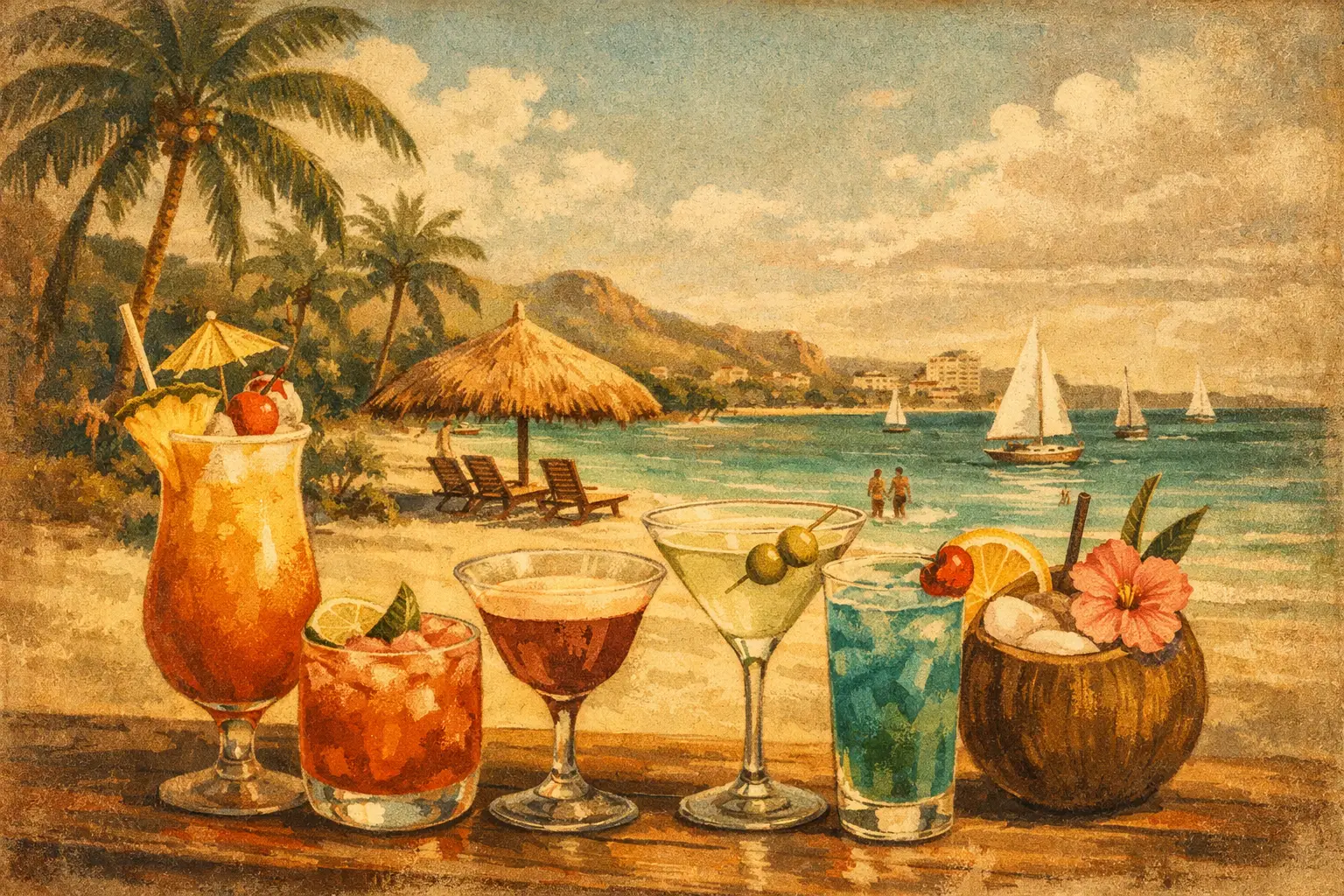
The first sip tells you a lot about a place. In Aruba, the best cocktails are not just cold and pretty – they carry sunshine, sea air, local fruit, and the easy rhythm of an evening that is meant to be enjoyed, not rushed. If you are searching for the best cocktails in Aruba, it helps to know that the most memorable drinks are rarely the sweetest or the strongest. They are the ones made with care, balance, and a real sense of island character.

What makes the best cocktails in Aruba stand out

A good island cocktail can be simple. Rum, citrus, ice, maybe a splash of something tropical. But the best cocktails in Aruba go beyond the usual vacation formulas. They feel connected to the table, the season, and the person making them.

That usually starts with ingredients. Fresh lime matters. So does real fruit instead of syrup-heavy mixes. Aloe, coconut, papaya, passion fruit, and orange can all show up in ways that feel bright rather than overpowering. When a bar or restaurant treats cocktails with the same respect as the kitchen treats dinner, you can taste the difference immediately.

Technique matters too. Aruba has plenty of places where you can order a fun frozen drink and enjoy the moment, and there is nothing wrong with that. But if you want something more refined, look for cocktails that are built with intention. The spirit should still have a voice. The citrus should lift the drink, not bury it. Sweetness should support, not dominate.

That balance is what separates a drink made for a photo from one you remember long after the trip ends.

The cocktails worth seeking out

The Aruba Ariba

You cannot talk about cocktails on the island without mentioning the Aruba Ariba. It is Aruba’s signature drink for a reason. Usually made with a blend of rum, vodka, banana liqueur, orange liqueur, fruit punch, and a float of dark rum, it is festive, layered, and unmistakably Caribbean.

That said, not every Aruba Ariba is created equally. Some versions lean very sweet, almost like dessert in a glass. Others are brighter and better balanced, with enough citrus to keep the fruit notes lively. If you tend to like cleaner cocktails, ask for a version that goes lighter on the sugary mix. You will still get the island personality without losing freshness.

Daiquiris done the right way

A daiquiri is often underestimated because it has been turned into so many oversized frozen versions. In its classic form, though, it is one of the most elegant warm-weather cocktails there is – rum, lime, and sugar in perfect proportion.

In Aruba, a well-made daiquiri can be one of the smartest orders on the menu, especially if the bar uses fresh juice and quality rum. It is crisp, refreshing, and less heavy than many tropical standards. If a place offers a fruit variation with fresh mango, papaya, or passion fruit, it can be excellent. The key is whether the fruit tastes real and integrated, not candy-like.

Mojitos with fresh island herbs

A mojito should taste alive. Fresh mint, lime, rum, sugar, and soda sound simple, but they require restraint. Too much muddling and the mint turns bitter. Too much sugar and the drink loses its lift.

On a warm Aruba evening, a mojito can be exactly right, especially before dinner. Some bartenders add local twists with tropical fruit or herb infusions. Those variations can be lovely, but the same rule applies here as with every good cocktail – the additions should bring clarity, not clutter.

Rum punch, when it is made with purpose

Rum punch is easy to dismiss because it is everywhere across the Caribbean. Yet it can also be one of the most satisfying drinks on the island when it is made with fresh ingredients and a thoughtful hand.

The best versions have depth. You taste rum first, then citrus, then spice or fruit. Nutmeg, bitters, or a darker rum float can give it structure. Poor versions taste like sugary juice. Good ones feel generous and relaxed while still having shape.

A proper margarita in the tropics

A margarita may not be the most obvious Aruba order, but that is exactly why it can surprise you. In places that care about craft, a margarita is often a sign that the bar respects fundamentals. Fresh lime, a quality tequila, and balanced orange liqueur never go out of style.

If there is a house variation with local fruit, ask how it is made. A touch of fresh passion fruit can be beautiful. An overly sweet puree can flatten the whole drink. Aruba’s climate makes citrus-driven cocktails especially appealing, so when a margarita is done well, it belongs in the conversation.

Espresso martinis for late evenings

Not every great cocktail in Aruba needs to taste tropical. After dinner, especially in a more elegant setting, an espresso martini can be the right move. It bridges the meal and the rest of the night, especially if you want something polished rather than playful.

This is one of those drinks where execution matters a lot. Fresh espresso, real coffee flavor, and a smooth texture make all the difference. If the drink tastes sugary or flat, it misses the point. When it is right, it feels indulgent but still composed.

What to look for when ordering cocktails in Aruba

The best cocktail menus usually reveal themselves quietly. You might see local ingredients named with confidence. You might notice a smaller list, which often means more care behind each drink. You might also find bartenders willing to guide you instead of pushing the loudest option.

A few signs are worth paying attention to. If the menu mentions fresh juices, house-made infusions, herb garnishes that are actually aromatic, or spirits chosen for character rather than familiarity, that is usually a good start. If every drink sounds sugary, oversized, and interchangeable, expectations should be different.

There is also a time-and-place element to ordering well. A frozen cocktail by the water at midday can be perfect. So can a refined rum drink before dinner in a garden setting. One is not better than the other in every circumstance. It depends on the moment you want to have.

The setting changes the drink

Cocktails are never just about what is in the glass. Atmosphere changes flavor more than people admit. A good drink in a rushed, noisy room can feel forgettable. A balanced cocktail served slowly, in a place that values hospitality, can become part of the evening’s memory.

That is especially true in Aruba, where so much of the island’s appeal is sensory. Warm air, candlelight, music in the background, the scent of the sea, the pace of conversation – all of it shapes your experience. This is one reason many travelers remember cocktails most vividly when they are paired with dinner instead of ordered as a quick stop between plans.

When a restaurant treats mixology as part of the larger story of the meal, the experience deepens. A cocktail can echo the freshness of the kitchen, the culture of the island, and the personality of the host. It becomes less about alcohol and more about welcome.

Why local character matters more than novelty

Travelers often chase the most dramatic drink on the menu. Smoke, towering garnishes, unusual glassware, bright colors. Those things can be fun, but they are not what make a cocktail worth seeking out.

The drinks that stay with you usually have a stronger sense of place. Maybe it is a rum cocktail brightened with local citrus. Maybe it is a herb-forward creation that complements fresh seafood. Maybe it is a signature house drink that feels elegant, rooted, and unmistakably Aruban without trying too hard.

That is where thoughtful restaurants and mixology experiences can stand apart. At Taste My Aruba, for example, cocktails are at their best when they feel connected to the same values as the meal – freshness, craftsmanship, and a genuine sense of island hospitality. For guests who want more than a generic vacation drink, that connection matters.

Choosing the right cocktail for your evening

If you are heading out before dinner, start bright. A daiquiri, mojito, or citrus-forward margarita can wake up the palate without weighing you down. If you are settling into a long meal, rum-based house cocktails tend to pair beautifully with island flavors, especially seafood and dishes with gentle spice.

For a celebratory mood, the Aruba Ariba is still a classic order, and it should be. Just know what you want from it. If you love fruit-forward vacation drinks, it delivers. If you prefer a cleaner, more spirit-driven style, there may be better choices on the menu.

And if the evening is stretching pleasantly into night, a stirred cocktail or espresso martini can be a graceful finish. The best choice is often less about trend and more about tempo.

Aruba gives you plenty of chances to have a good drink. The real pleasure is finding one that feels like it belongs exactly where you are, in that moment, with those flavors, under that sky. Order the cocktail that invites you to slow down a little. That is usually where the island shows itself best.
Posted on

Fresh Local Seafood Aruba Restaurant Guide

Fresh Local Seafood Aruba Restaurant Guide

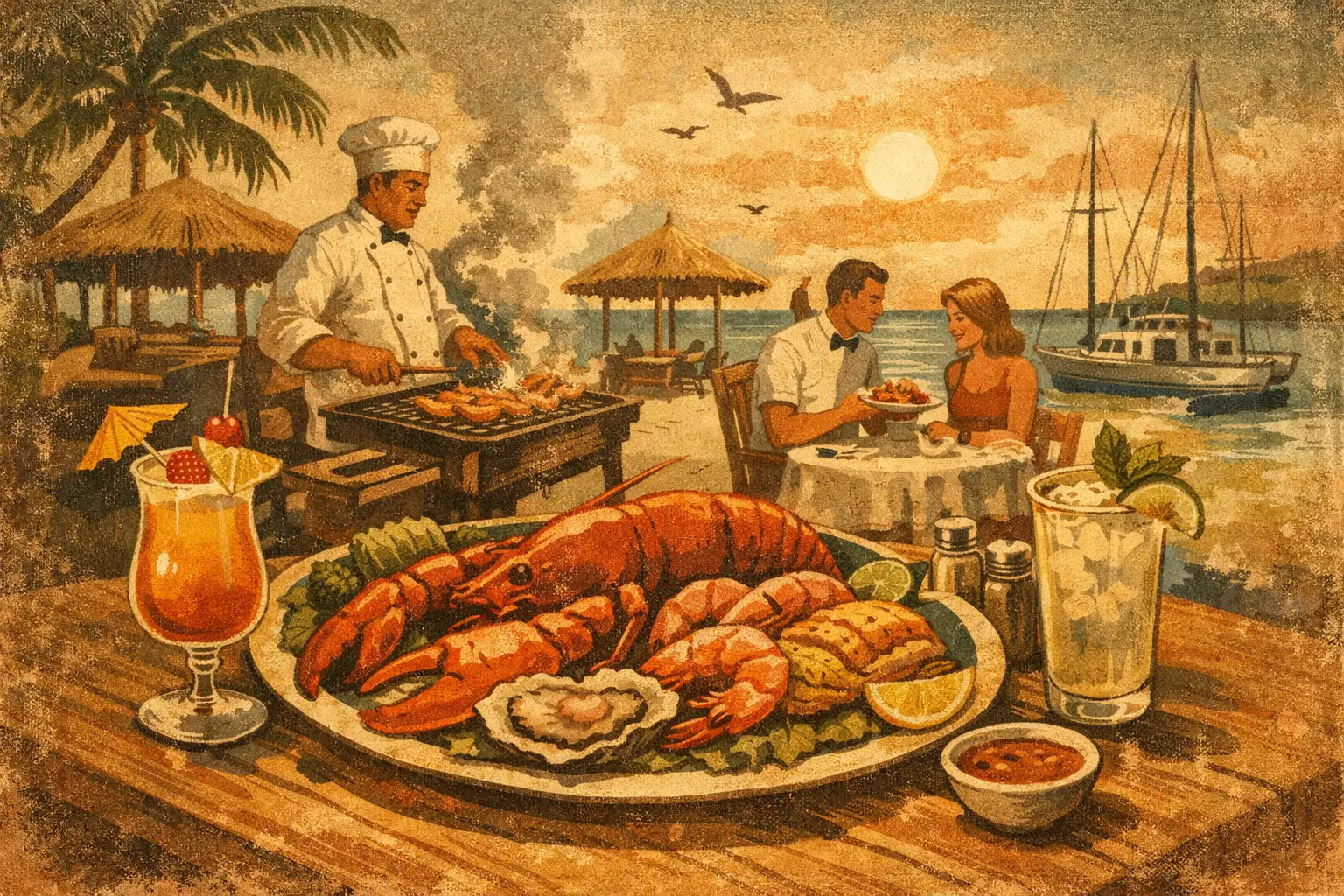
The difference is easy to taste. When you sit down at a fresh local seafood Aruba restaurant, the fish does not feel like a menu filler or a tourist-safe option. It feels like the reason you came to the island in the first place – bright, clean, just-caught flavor, prepared with care and served in a setting that lets the evening unfold instead of rushing it along.

That distinction matters more than many visitors realize. Aruba has no shortage of places serving seafood, but not every seafood dinner gives you something genuinely rooted in the island. If you want a meal that feels connected to place, the details matter: where the fish came from, how often the menu changes, whether the kitchen respects the ingredient, and whether the service invites you to settle in and savor the night.

What makes a fresh local seafood Aruba restaurant worth seeking out

Freshness is not a slogan. In a restaurant that truly values sea-to-table dining, freshness shapes the entire experience. The menu shifts with what is available, the kitchen prepares dishes with restraint and confidence, and the seafood arrives at the table tasting like itself rather than disappearing beneath heavy sauces.

Local sourcing adds another layer. It is not just about proximity. It is about trust, seasonality, and a stronger connection between the island’s waters and the guest’s plate. When a restaurant works with local ingredients, it usually shows in the rhythm of the meal. There is more flexibility, more pride, and more willingness to let the food tell an Aruban story.

That story becomes especially meaningful for travelers who want more than a standard resort dinner. A memorable seafood meal in Aruba should feel specific to Aruba. It should reflect the island’s hospitality, its culinary traditions, and its natural abundance without turning the experience into a performance.

Fresh local seafood in Aruba restaurants is not all the same

This is where expectations need a little nuance. Many restaurants advertise fresh seafood, and some do serve it well. But “fresh” can mean different things depending on the kitchen, the supply chain, and the kind of dining experience being offered.

A casual beachside lunch may give you a satisfying grilled catch with a beautiful view. There is absolutely a place for that. But if you are looking for a dinner built around craftsmanship, thoughtful pairings, and a stronger sense of local identity, you may want something more intentional.

The same goes for “local.” Some menus nod to Aruba with a few familiar ingredients, while the rest of the meal could come from almost anywhere. Others take a more grounded approach, building dishes around local produce, island flavors, and a level of hospitality that feels personal rather than packaged. That difference is subtle on paper and obvious at the table.

How to recognize a truly local seafood experience

Start with the menu. If every item is always available, that can be convenient, but it does not always signal seasonality or daily sourcing. A restaurant committed to fresh seafood often leaves room for change. That can mean a rotating catch, chef-driven specials, or dishes that shift based on what is at its best that day.

Then consider preparation. Great seafood does not need much hiding. Clean grilling, balanced seasoning, fresh herbs, bright citrus, and careful timing often say more than complicated plating ever could. When the kitchen knows the ingredient is excellent, it tends to treat it with confidence rather than excess.

Service tells you a lot too. In a truly hospitality-driven setting, staff can speak about the menu with clarity and pride. They can guide you toward a preparation you will enjoy, explain the spirit of a dish, and make the evening feel tailored instead of transactional. For guests who value experience as much as flavor, that part matters every bit as much as the plate itself.

Why atmosphere changes the way seafood tastes

A great seafood dinner is not only about what is cooked. It is also about the setting in which you enjoy it. Aruba is full of beauty, but the most meaningful dining experiences are often the ones that feel intimate, unhurried, and connected to the island’s character.

That could mean an outdoor garden, a historic setting, candlelight, or the kind of table where conversation stretches comfortably between courses. Seafood is at its best when the pace matches the food. You notice more. The aroma of grilled fish, the chill of a well-made cocktail, the texture of a thoughtfully prepared side dish – all of it lands differently when you are not being rushed.

For couples especially, this can turn dinner into one of the most memorable parts of the trip. For families and food-focused travelers, it creates space to ask questions, try something new, and experience Aruba as more than a destination checklist.

The role of local ingredients beyond the fish

A seafood restaurant can source excellent catch and still miss the larger opportunity. The strongest island dining experiences think beyond the fish itself. They treat local herbs, vegetables, sauces, and seasonings as part of the same story.

That is where a meal begins to feel complete. A beautifully cooked fillet becomes more compelling when paired with ingredients that reflect the island’s landscape and culinary traditions. You are not just eating seafood in Aruba. You are eating a dish that belongs here.

This is also where creativity can shine. Local dining does not have to mean predictable or heavy. It can be refined, bright, elegant, and modern while still feeling deeply grounded. In the right hands, tradition and imagination work together.

When a premium seafood dinner is worth it

Not every traveler wants the same kind of night out. Sometimes you want something quick after the beach, and there is nothing wrong with that. But there are also evenings that deserve more care – anniversaries, final nights on the island, reunions, or simply the one dinner you want to remember long after the trip ends.

That is when a premium fresh local seafood Aruba restaurant earns its place. You are paying for ingredients, yes, but also for timing, atmosphere, service, and the feeling of being genuinely hosted. The value is not only on the plate. It is in the way the evening is shaped around you.

For guests who care about authenticity, this often feels like money better spent than another generic upscale meal. A polished dining room means little if the food could be served anywhere. What stays with you is the sense that the meal belonged to Aruba and that, for a few hours, you did too.

What thoughtful travelers should look for before booking

If you are choosing where to reserve, look for signs of intention rather than volume. A restaurant that emphasizes local sourcing, changing menus, handcrafted cocktails, and a slower pace is usually aiming for a different kind of guest experience.

It also helps to think about what you want from the evening. If your priority is speed, a deeply personalized dinner may feel too leisurely. If your priority is connection, flavor, and atmosphere, that same pace will feel like part of the luxury.

In Historic Downtown Oranjestad, places like Taste My Aruba stand out because they approach dinner as an expression of culture and care, not just service. That difference resonates with travelers who want to feel welcomed, not processed.

Why this kind of meal stays with you

People rarely remember a restaurant because the menu had seafood on it. They remember how the night felt. They remember the freshness of the catch, the warmth of the welcome, the cocktail that matched the mood, and the sense that someone put real thought into every part of the experience.

That is the real appeal of choosing a fresh local seafood Aruba restaurant. You are not only looking for fish at its peak. You are looking for a meal with a sense of place, a restaurant with heart, and an evening that reflects the island’s generosity and flavor in a way that feels honest.

When you find that, dinner becomes more than a reservation. It becomes one of the moments that gives the trip its meaning. So if seafood is on your mind while you are in Aruba, choose the table that treats it with respect and serves it with soul.

Posted on

Why a Custom Dinner Menu Aruba Feels Different

Why a Custom Dinner Menu Aruba Feels Different

Some dinners fill the evening. Others become part of the trip. A custom dinner menu Aruba experience belongs in the second category, especially when you want more than a table, an order, and a check. It creates room for the kind of meal travelers remember long after the tan fades – one shaped by the island, the season, and the people sitting down to enjoy it.

That difference matters in Aruba, where many visitors can easily find polished resort dining, familiar menus, and predictable plates. There is nothing wrong with convenience, but it rarely tells you much about where you are. A custom menu, thoughtfully built around local ingredients and the spirit of the island, offers something richer. It turns dinner into a conversation between culture, hospitality, and taste.

What a custom dinner menu Aruba experience really means

A custom menu is not just a longer list of options or a request for a dietary substitution. At its best, it is a meal designed with intention. The ingredients are chosen for freshness. The courses are balanced for the pace of the evening. The flavors reflect Aruba’s character rather than copying a generic fine dining formula.

That often means the menu changes with the day. Local catch may arrive in the afternoon and shape the night’s seafood course. Seasonal produce may influence sauces, sides, or appetizers. A chef with a strong connection to place does not force the same dishes every night if the ingredients are speaking in a different direction.

For guests, this feels personal in a very real way. Couples can enjoy a dinner that feels intimate instead of standardized. Families can have a meal that accommodates different tastes without losing quality. Food-focused travelers can ask for something rooted in local tradition, with enough creativity to feel special rather than staged.

Why personalization matters more on vacation

When people travel, they usually remember how a place made them feel. Food plays a large role in that. A rushed meal between activities may be convenient, but it rarely becomes a highlight. A custom dinner slows the pace and gives the night a shape.

That is especially true for travelers who choose Aruba for beauty, warmth, and connection. If your days are already filled with beaches and sunshine, dinner should offer something equally distinctive. It should feel like an extension of the island rather than an interruption from it.

Personalization also helps with the practical side of hospitality. Some guests want lighter seafood and bright flavors. Others want a richer, celebratory dinner with cocktails and multiple courses. Some are marking an anniversary. Some are introducing their children to local food. Some need thoughtful attention to allergies or preferences. A custom menu can hold all of that, but only if it is created with care rather than treated like a sales add-on.

The ingredients are the story

In a memorable island meal, ingredients do more than taste good. They carry the identity of the place. Fresh local fish, vibrant vegetables, island seasonings, herbs, and fruits each bring something that no imported concept can quite replace.

This is where farm-to-table and sea-to-table dining becomes more than a trend. Freshness changes flavor, of course, but it also changes energy. Food tastes more alive when it has not traveled far or sat too long. Tomatoes have more brightness. Fish has more delicacy. Herbs bring aroma instead of just color.

A custom menu makes better use of that freshness because it does not need to force ingredients into a fixed script. It can respond to what is beautiful that day. That flexibility often leads to better cooking and a more balanced meal.

There is a trade-off, and it is worth mentioning. Guests who want total predictability may prefer a standard menu where every dish is always available. But travelers who value authenticity usually find the opposite more exciting. A dinner shaped by the day’s ingredients feels honest. It respects the island and the appetite of the moment.

A custom menu should reflect Aruba, not just luxury

There is a big difference between an expensive dinner and a meaningful one. Price alone does not create atmosphere, nor does it guarantee character. A truly custom dinner menu in Aruba should feel connected to local foodways, island hospitality, and the relaxed elegance that makes an evening here so memorable.

That may show up in the seasoning, in the seafood selection, in the use of Caribbean influences, or in the way the meal unfolds over time. It may also appear in the service itself. Warm, unhurried hospitality is part of the flavor. When a meal is paced with intention, guests can settle in, ask questions, and actually savor what is in front of them.

For many travelers, that is the point. They are not looking to eat quickly and move on. They want the setting, the care, the cocktail that was made properly, and the sense that someone has thought about the evening as a whole. A custom menu supports that because it encourages a full experience instead of a transaction.

How the right setting changes the meal

Food never exists in isolation. The room, the garden, the music, the lighting, and the rhythm of service all shape how a dinner feels. With a custom menu, atmosphere matters even more because the meal is meant to feel personal.

An outdoor garden setting, for example, can soften the evening and create a natural sense of occasion. Historic surroundings add depth without trying too hard. Guests often respond to places that feel rooted, where the environment reflects the same authenticity as the plate.

This is one reason thoughtful restaurants stand apart from crowded tourist dining. The goal is not simply to serve local food. It is to create a complete sense of place. When the surroundings, menu, and hospitality align, dinner becomes immersive in the best way.

Custom dinner menu Aruba choices for different occasions

Not every custom dinner is built for the same purpose, and that is part of its appeal. A romantic evening may call for a slower progression of courses, elegant plating, and cocktails that complement the mood rather than steal attention. A family celebration may need a little more flexibility and a menu that bridges adventurous island flavors with broad appeal.

For food-driven travelers, the best version may be one that leans into storytelling. Why is a particular ingredient used here? What local tradition inspired a dish? How does a cocktail reflect the island’s produce or personality? Those details give the meal depth.

Private events and hosted gatherings benefit especially well from custom menus because the dinner can reflect the group itself. That might mean a more festive tone, a shared-table approach, or a progression designed to encourage conversation. It depends on the evening. The strongest hospitality always starts there – with what guests actually want the night to feel like.

What to look for before you reserve

If you are searching for a custom dining experience, look past marketing language. Ask whether the menu is truly shaped by fresh availability or simply labeled as special. Ask whether local ingredients are central or occasional. Notice whether the service style supports a slower, more meaningful meal.

It also helps to consider what you want from the evening. If your priority is speed, a custom menu may not be the right fit. If your priority is memory, flavor, and connection, it likely is. The best experiences are rarely the fastest ones.

A thoughtful restaurant will also be comfortable with nuance. Not every guest wants the same level of experimentation. Not every local ingredient suits every palate. Good hosts understand that customization is not about showing off. It is about listening, adjusting, and building trust through the meal.

At Taste My Aruba, that philosophy is part of the experience itself. The goal is not simply to serve dinner, but to welcome guests into the flavors, warmth, and character of the island with intention.

A custom dinner is one of the few travel experiences that asks you to slow down and fully arrive. If you choose well, the meal does more than satisfy your appetite. It lets Aruba introduce itself properly, one course at a time.

Posted on

Aruba Anniversary Dinner Example Itinerary

Aruba Anniversary Dinner Example Itinerary

Anniversary dinners in Aruba can go one of two ways. You can rush from beach to reservation, arrive sun-tired and underdressed, and wonder why the night feels flat. Or you can shape the evening with intention. That is where an Aruba anniversary dinner example itinerary helps – not as a rigid script, but as a rhythm for a night that feels personal, romantic, and worthy of the occasion.

The best anniversary dinner on the island is rarely about fitting in the most stops. It is about pacing. Aruba has a way of rewarding couples who slow down a little, leave room for conversation, and choose one memorable meal over a packed schedule. If you are celebrating years together, that trade-off is usually the right one.

An Aruba anniversary dinner example itinerary that feels natural

Think of the evening in chapters instead of checkboxes. A good itinerary gives each part of the night its own mood. You want a gentle transition from daytime island energy into a dinner that feels elevated, then a soft landing after the meal so the evening does not end the moment the check arrives.

A strong starting point is late afternoon. Around 5:00 p.m., return to your hotel or rental with enough time to fully reset. This sounds simple, but it matters. If you come straight from the beach, everything can feel slightly improvised. A proper pause gives the evening a sense of occasion. Shower, dress for dinner, and take a few unhurried minutes to get ready together.

By 6:00 p.m., head out for a pre-dinner drink rather than going directly to the table. This is one of the easiest ways to make the celebration feel more complete. Choose a setting with atmosphere rather than noise. A well-made cocktail before dinner creates a natural space to toast the milestone, exchange cards or a small gift, and settle into the night. If one of you prefers not to drink, a fresh mocktail can do the same job beautifully. What matters is not the alcohol. It is the pause.

For dinner itself, 7:00 or 7:30 p.m. is usually the sweet spot. Earlier can feel rushed, especially if you are trying to catch sunset and still arrive composed. Much later can work for nightlife-minded couples, but for an anniversary, a more relaxed reservation time tends to leave room for a full experience. The goal is not simply to eat well. It is to feel hosted, cared for, and present with each other.

What the dinner portion should include

A true anniversary dinner should have progression. The experience feels richer when the meal unfolds in courses rather than arriving all at once. Start with something light and expressive of place, especially if you are in Aruba because you want more than standard vacation dining. Fresh seafood, local produce, and house-made elements create a stronger memory than generic steakhouse predictability.

The main course is where couples often make different choices, and that is part of the pleasure. One person may want the catch of the day with bright island flavors, while the other leans toward a deeply comforting meat dish or a creative vegetarian plate built around local ingredients. There is no single right anniversary menu. The better question is whether the meal feels rooted in Aruba or interchangeable with any tourist destination.

Dessert deserves more respect than it usually gets. Many couples skip it because they are full, then regret ending the meal too abruptly. Sharing one dessert and one after-dinner drink is often enough. It gives the table a final moment without turning the evening heavy. If the restaurant offers something handmade, seasonal, or inspired by the island, that is usually the better choice than the safest classic.

This is also where service becomes part of the memory. The right restaurant does not hurry you through a celebration. It reads the table, understands timing, and lets the evening breathe. For an anniversary, that kind of hospitality matters as much as the menu.

Sample timing for an Aruba anniversary dinner example itinerary

If you want a practical version to follow, here is a simple evening flow that works well for many couples.

5:00 p.m. – Reset and get ready

Come in from the beach or pool earlier than you think you need to. Give yourselves a full hour to shower, dress, and shift gears. Anniversary dinners feel better when they begin with intention instead of a scramble.

6:00 p.m. – Pre-dinner cocktails

Choose a beautiful setting and keep this stop light. One cocktail each is enough for most couples, especially if you want to stay sharp for dinner. This is the moment for a toast, a photo if you want one, and a quiet breath before the reservation.

7:15 p.m. – Dinner reservation

Aim for a reservation time that allows you to arrive a few minutes early without feeling rushed. Once seated, let the meal unfold. Order an appetizer, enjoy a full main course, and leave room for dessert or a final drink.

9:30 p.m. – A walk or one last nightcap

After dinner, resist the urge to jump straight into a cab unless you truly want an early night. A short walk through a charming area or one final cocktail can extend the evening in a way that feels effortless. This part should be simple, not another production.

How to choose the right restaurant for the occasion

Not every romantic restaurant is right for an anniversary. Some places offer a dramatic view but underdeliver on food. Others serve excellent meals but move at a pace better suited to turning tables than celebrating milestones. The right fit depends on what kind of couple you are.

If your ideal evening is polished and energetic, you may prefer a lively dining room with a stylish crowd and a strong wine list. If you value intimacy, conversation, and a sense of place, a garden setting or historic location with thoughtful service may be the better match. Aruba offers both, and neither is automatically superior. It depends on whether you want your anniversary to feel festive or deeply personal.

Food-first couples should pay close attention to sourcing and menu style. Aruba is at its best when dining reflects the island itself – fresh catch, local ingredients, Caribbean influence, and dishes made with care instead of mass-market polish. That is one reason many travelers choose family-owned restaurants for special occasions. The hospitality often feels more human, and the meal tells you something about where you are.

A place like Taste My Aruba fits naturally into this kind of evening because the experience is built around slow dining, local flavor, and genuine welcome rather than speed or spectacle. For an anniversary, that can make all the difference.

Small touches that make the itinerary feel special

Most memorable anniversaries are shaped by restraint. You do not need roses on every surface or a ten-part surprise. Usually, two or three thoughtful details are enough.

One is letting the restaurant know in advance that you are celebrating. Not every couple wants public attention, and that is fair. But a quiet note on the reservation can lead to small gestures that feel gracious rather than staged.

Another is choosing attire that respects the occasion. Aruba can be relaxed, but that does not mean your anniversary dinner should feel casual by default. Dressing up even slightly changes the mood. It tells both of you that this night matters.

The third is protecting the pace of the evening. Do not overschedule the afternoon. Do not book a noisy excursion that runs late. And if dinner turns into a long, beautiful meal, let it. Some of the best anniversary nights are the ones where nothing after dinner feels urgent.

Common mistakes couples make

The biggest mistake is trying to do too much. Sunset cruise, bar stop, dinner, nightlife, late dessert – on paper it sounds festive. In practice, it often feels fragmented. If dinner is the heart of the celebration, let it be the heart.

Another common issue is picking a restaurant based only on photos. A room can look romantic online and still feel impersonal in real life. Read for signs of warmth, consistency, and service, especially if this meal matters to you emotionally.

Then there is timing. Aruba runs on island time in the best sense, and your anniversary should too. Build in a cushion for traffic, for getting ready, for that extra five minutes when one of you changes outfits. A good evening should feel composed, not squeezed.

Making the itinerary your own

The strongest Aruba anniversary dinner example itinerary is not identical for every couple. Maybe your version starts with champagne in the room instead of cocktails out. Maybe you want an early reservation because you love golden-hour light, or a later one because you enjoy a slower build to the night. Maybe one partner wants a dressy setting while the other cares most about exceptional food. Those differences are not problems. They are the point.

What matters is building an evening that reflects the way you celebrate together. Aruba gives you the setting. The right dinner gives you the feeling. If you leave the table a little later than planned, still talking, still lingering, and already saying you are glad you chose this over something more ordinary, the itinerary has done its job.

Posted on

Aruba Food Tour Itinerary Example

Aruba Food Tour Itinerary Example

If your ideal day in Aruba includes more than grabbing a quick bite between beach stops, an Aruba food tour itinerary example can help you experience the island with more intention. The best meals here are not only about what lands on the plate. They carry stories of family, sea, trade, celebration, and the easy rhythm of island hospitality.

That is why a good food-focused day should never feel packed for the sake of being packed. Aruba rewards travelers who leave room for appetite, conversation, and surprise. You can absolutely taste a lot in one day, but the real goal is to move through the island in a way that feels generous rather than hurried.

An Aruba food tour itinerary example that feels worth your day

A strong food itinerary in Aruba works best when it follows the natural shape of the day. Start light, build toward lunch, pause in the afternoon, and save your most memorable dining experience for the evening. That pacing matters. If you front-load too much fried food, too many cocktails, or too many stops, everything starts to blur together.

Think of your day in four chapters: breakfast with local character, a midday stop that gives you something rooted and satisfying, an afternoon drink or tasting that refreshes rather than fills, and a dinner that lets you settle in and really savor the island. This is especially true if you care about authentic food and not just checking off popular places.

Morning: start with something local and unforced

The morning is the right time to seek out food that feels woven into everyday Aruba. Skip the oversized resort buffet if what you want is a sense of place. Instead, look for a smaller breakfast or coffee stop where the atmosphere feels lived-in and the menu is not trying to be everything to everyone.

This is a good time to try pastechi, especially if you want a casual beginning with local character. A warm pastry with a savory filling gives you enough substance to start the day without making you feel heavy. Pair it with good coffee or a fresh juice, and let breakfast be simple.

If you prefer a sit-down start, choose a spot that uses local ingredients or reflects Aruban family cooking rather than generic brunch trends. The point is not to have the biggest breakfast on the island. It is to begin with a meal that tells you where you are.

Take your time here. A food tour day should not feel like a race from one reservation to the next. If your breakfast stop has a view of the street, a courtyard, or the water, all the better. The first meal sets the tone.

Late morning: walk, browse, and make room for lunch

One mistake travelers make is treating every hour like it needs a food stop. It does not. Aruba is best enjoyed with some breathing room between meals, especially if you are eating thoughtfully and planning a proper dinner later.

Use late morning for a gentle reset. Walk through a neighborhood with character, spend time in historic downtown, browse local shops, or simply enjoy the architecture and color around you. This creates appetite naturally. It also turns the day into something richer than restaurant-hopping.

If you want a small taste during this window, keep it minimal. A fresh fruit drink, a small local snack, or even just a pause for coffee is enough. Save your hunger for lunch, where you can explore something more representative of the island’s savory side.

Lunch: choose a dish with real Aruban identity

Lunch is where your Aruba food tour itinerary example should become a little more grounded. This is the time to seek out dishes that reflect the island’s layered culinary heritage rather than the easiest tourist option near the beach.

Depending on your appetite, lunch might center on fresh catch, a hearty local stew, or a plate that brings together Caribbean flavor with Dutch and Latin influence. Aruba’s food culture is not one-note, and that is part of its charm. Seafood can be a beautiful choice at midday, especially when it is prepared simply and lets freshness lead.

If you are someone who loves context with your meal, ask what is local, seasonal, or most connected to Aruban home cooking. The answer may change depending on where you go and what came in fresh that day. That flexibility is a good sign. Menus that shift with ingredients often give you a more honest taste of place.

This is also a moment to be realistic about pace. A heavier lunch can be wonderful if your evening plans are light. But if dinner is your main event, keep lunch satisfying without going too far. There is a difference between feeling content and arriving at dinner still full from three hours earlier.

Afternoon: make it about flavor, not volume

The afternoon section of a food day often gets overdone. Travelers think they need another full meal, dessert stop, and two cocktails before sunset. Usually, less is better.

Instead, use the afternoon for a more curated experience. This could be a cocktail made with care, a tasting focused on local spirits, or a small plate shared with someone you are traveling with. If you love mixology, this part of the day can be especially enjoyable because Aruba’s climate pairs beautifully with bright citrus, herbs, and drinks that feel refreshing rather than overly sweet.

A thoughtful cocktail experience also gives you another way to understand the island. Drinks, like food, can express place. The ingredients, the balance, and even the pace of service matter. A rushed drink at a loud bar is not the same as sitting somewhere that values craft.

If alcohol is not your focus, choose a cool-down instead. Fresh juice, iced coffee, or a light sweet bite can be enough. This part of the itinerary should reset your senses and keep the day feeling elegant.

Evening: make dinner the centerpiece

Dinner is where the day should open up. After lighter, well-paced choices earlier, you are ready for a meal that feels immersive and memorable. This is the moment to choose a restaurant that treats dining as an experience, not just a transaction.

Look for a place where the setting matters, where the ingredients are thoughtfully sourced, and where service leaves room for enjoyment. The best Aruban dinners are not rushed in and out. They invite you to settle in, notice the details, and let the evening unfold.

A farm-to-table or sea-to-table approach works especially well here because it connects your meal directly to the island. Fresh fish, local produce, herbs, handmade elements, and a kitchen that adapts to what is best that day all create a stronger sense of authenticity. You are not just eating in Aruba. You are tasting Aruba.

For travelers who want one truly special dinner, this is where a place like Taste My Aruba fits naturally into the itinerary. A family-owned setting with a refined but deeply personal approach can give the day the ending it deserves. In that kind of space, dinner becomes more than your final stop. It becomes the part you remember when you think back on the trip.

How to adjust this itinerary to your travel style

Not every traveler wants the same kind of food day, and that is part of the beauty of Aruba. If you are a couple, you may want a slower rhythm with more time for cocktails and a longer dinner. If you are traveling with family, a more casual breakfast and shorter afternoon break may work better. If you are serious about food, you might prefer fewer stops and more quality at each one.

This is where trade-offs matter. More stops can sound exciting on paper, but they often reduce the pleasure of each meal. Fewer stops, chosen well, usually create a better experience. You notice more. You taste more clearly. You leave room for a restaurant or dish to surprise you.

Budget also shapes the day. Aruba offers everything from humble local favorites to premium culinary experiences. There is no single correct mix. What matters is intention. A modest breakfast, relaxed lunch, and standout dinner can be just as satisfying as a day filled with higher-end stops from start to finish.

Timing matters too. If you are visiting during a busier travel period, plan key meals ahead, especially dinner. The places that prioritize quality and atmosphere are often worth reserving in advance because they are not designed for rushed turnover.

What makes a food itinerary actually memorable

The most memorable food days are rarely the ones with the highest number of stops. They are the ones with contrast and care. A flaky morning pastry, a fresh seafood lunch, a well-made afternoon drink, and a dinner that feels rooted in the island create a full picture. You experience Aruba in layers.

That is really the difference between eating a lot and eating well while you travel. One leaves you overfull. The other leaves you connected.

If you use this Aruba food tour itinerary example as a guide, let it remind you to choose places with heart, ask questions, and leave room for the island to speak through its ingredients. The best meals here do not rush to impress you. They welcome you in and ask you to stay a little longer.

Posted on

Daily Changing Menu Restaurant Aruba Picks

Daily Changing Menu Restaurant Aruba Picks

Some dinners are easy to forget. You sit down, order the same dish served every night of the year, and leave full but untouched by the place around you. A daily changing menu restaurant Aruba travelers remember works differently. It reflects the catch that came in that day, the produce that is actually thriving on the island, and the kind of hospitality that treats dinner as part of your trip, not just a stop between activities.

That difference matters more in Aruba than many visitors expect. The island has no shortage of places to eat, but not every meal tells you where you are. If you want dinner to feel rooted in local life, a changing menu is often one of the clearest signs that a restaurant cooks with intention.

Why a daily changing menu restaurant in Aruba stands out

A fixed menu can be comforting. You know what to expect, and for some guests that predictability is part of the appeal. But when a restaurant builds its offerings around what is freshest and most available, the meal becomes more expressive.

In Aruba, that often means seafood at its peak, vegetables chosen for flavor instead of convenience, and dishes that shift with the rhythm of sourcing rather than the logic of mass production. That approach asks more of the kitchen. It takes planning, flexibility, and confidence. It also gives more back to the guest.

You taste ingredients when they are worth serving, not when they simply happen to be listed on a laminated menu. You also get a stronger sense of the island itself. Aruba’s food culture is shaped by land, sea, family traditions, and a long history of shared influences. A menu that changes daily has room to honor that living culture instead of reducing it to a handful of standard dishes.

Freshness is only part of the story

People often hear “daily changing menu” and think only about freshness. Freshness matters, of course, but it is not the whole value. The deeper benefit is care.

When a restaurant changes its menu regularly, it usually means the kitchen is paying attention. It is responding to what came in, what looks best, and what can be prepared in a way that feels honest. That creates a very different dining experience from one built on repetition alone.

It also tends to lead to more thoughtful cooking. Chefs are not forcing ingredients into the same formula every night. They are shaping dishes around what is available and what deserves the spotlight. For diners, that can mean more nuance on the plate and a meal that feels personal rather than standardized.

There is a trade-off, and it is worth mentioning. If you are the kind of traveler who wants to research one exact dish in advance and order it no matter what, a changing menu may feel less predictable. But for guests who value discovery, that unpredictability is part of the pleasure. It invites trust, curiosity, and a slower kind of dining.

What to expect from the experience

The best restaurants with changing menus do more than swap one entrée for another. The entire evening often feels more considered.

You may notice a stronger connection between the food and the setting. In a garden, courtyard, or historic space, a meal based on what the island is offering that day feels especially fitting. The cocktails may echo that same spirit, leaning on fresh herbs, fruit, and house-made elements instead of generic mixes. Service often feels less rushed too, because the meal is being presented as an experience to savor.

That slower pace is not for everyone, and that is fine. Some travelers want speed, large portions, and familiar choices. Others want to settle in, ask questions, and let the night unfold. A daily changing menu usually speaks to the second kind of guest – the one who believes a memorable dinner should have a sense of place.

How local sourcing shapes the meal

One reason the daily changing menu restaurant Aruba visitors seek out can feel so distinct is local sourcing. When ingredients come from nearby waters, farms, and producers whenever possible, the meal gains immediacy.

Seafood can be selected for quality rather than shelf life. Vegetables can be chosen for flavor and seasonality. Herbs, fruits, and local pantry staples can appear in ways that feel grounded instead of decorative. That does not mean every single ingredient is always from Aruba. Islands work within real supply limits, and thoughtful restaurants are honest about that. But a commitment to local sourcing wherever it makes sense changes the character of the food.

It also changes the emotional experience of dining. You are not just eating well. You are participating in something more connected – to the island, to its producers, and to the people preparing your meal. Food becomes part of the story of where you are.

The role of culture on a changing menu

A changing menu is not only about ingredients. It can also be one of the best ways to express culture.

Aruban cuisine carries influence from many histories and communities, and a menu that evolves has the flexibility to reflect that richness. One evening may lean more toward seafood and bright island flavors. Another may highlight slow-cooked comfort, local technique, or a creative interpretation of a familiar dish. That movement keeps the cuisine alive.

For travelers who want more than a postcard version of Aruba, this matters. Culture is not static. It lives in the way people cook, serve, gather, and welcome. Restaurants that embrace that idea often create the meals guests talk about long after they return home.

Is this style of dining right for you?

It depends on what you want from your evening.

If your priority is the lowest price or the fastest table turn, a daily changing menu may not be the best fit. Fresh sourcing, careful preparation, and unhurried service usually come at a premium. Not because the restaurant is trying to be exclusive for its own sake, but because quality ingredients and attentive hospitality cost more to do well.

If, however, you want dinner to feel like a meaningful part of your Aruba trip, this style of dining can be exactly right. It suits couples looking for a memorable night out, families who appreciate warm and personal service, and food-minded travelers who would rather have one excellent meal than several forgettable ones.

It also appeals to guests who enjoy conversation. When menus change, there is more to ask about. What came in fresh today? What is the house especially excited to serve tonight? What cocktail pairs well with the menu as it stands now? Those small exchanges often become part of the hospitality itself.

How to choose the right daily changing menu restaurant Aruba offers

Not every restaurant that says its menu changes is offering the same kind of experience. Sometimes the change is minor. Sometimes it is central to the restaurant’s philosophy.

Look for signs of genuine intention. Does the restaurant speak clearly about fresh ingredients, local sourcing, and seasonal cooking? Does the atmosphere match the promise of a slower, more thoughtful meal? Does the service feel personal rather than transactional? These details usually tell you more than a long list of menu items ever could.

It also helps to consider what kind of evening you want. Some places are lively and social. Others are more intimate and reflective. Some lean heavily into creativity, while others center tradition with subtle refinement. A well-run changing menu can do any of these well, but the best choice is the one that matches your travel style.

For guests who want an immersive island evening, Taste My Aruba is the kind of place where a changing menu, handcrafted cocktails, and genuine hospitality come together naturally. The appeal is not only what is served, but how the evening makes you feel – welcomed, cared for, and closer to the island than you were before dinner.

Why these meals are the ones people remember

Travel memories rarely come from efficiency. They come from texture, atmosphere, and the feeling that something was made for that moment and could not be duplicated exactly the next day.

That is the quiet power of a changing menu. It gives dinner a sense of occasion. The dish in front of you belongs to tonight, to these ingredients, to this table, to this place. That can sound simple, but in a world full of repeatable experiences, it feels rare.

When you find a restaurant in Aruba that treats food this way, you are not just choosing where to eat. You are choosing how you want to experience the island. And often, the meals that stay with you are the ones that could only have happened there, exactly when they did.

If you are planning a special evening, choose the place that cooks with what the day gives it and serves it with heart. Aruba tastes better when dinner feels alive.

Posted on

Why a Slow Dining Experience Aruba Stays With You

Why a Slow Dining Experience Aruba Stays With You

You can tell the difference in the first few minutes. No rushed greeting, no table turned in record time, no menu designed to move you along. A slow dining experience Aruba style begins with a sense of arrival. You settle in, take in the setting, and feel the pace shift. That change matters more than many travelers expect, because the most memorable meals on the island are rarely the fastest ones.

For guests who want more than a convenient dinner between beach plans, slow dining offers something richer. It gives food time to speak for itself. It gives service room to feel personal. And it gives Aruba the chance to reveal itself through flavor, story, and atmosphere rather than through a checklist of popular dishes.

What a slow dining experience in Aruba really means

Slow dining is not simply eating at a leisurely pace. It is a different philosophy of hospitality. The meal is shaped with intention, from ingredient sourcing to preparation to the way each course arrives at the table. Instead of speed and volume, the focus is on freshness, craftsmanship, and connection.

In Aruba, that approach has special meaning. The island’s food culture is layered, with influences from the Caribbean, Latin America, Europe, and generations of local family cooking. When dinner is rushed, much of that richness gets flattened. You may leave full, but you miss the part that makes a meal feel rooted in place.

A slower evening creates room for detail. Seafood can be handled with more care. Local produce can be featured at its peak rather than treated as decoration. A cocktail can be built with balance instead of speed. Service becomes less transactional and more intuitive. You are not being processed. You are being hosted.

Why travelers are choosing a slow dining experience Aruba visitors remember

Many visitors come to Aruba expecting beautiful water, sunny weather, and easygoing days. What often surprises them is how deeply satisfying the right dinner can be. After a day filled with movement, a slow meal offers contrast. It asks you to sit still long enough to notice where you are.

That is part of the appeal. Travelers who care about food usually are not just hungry. They want a sense of place. They want to taste what grows nearby, what is caught locally, what families cook, and what contemporary chefs are doing with tradition. A slower format supports that curiosity because it makes room for explanation, conversation, and courses that feel considered rather than generic.

It also tends to attract people who value quality over convenience. Couples celebrating something special, families who want one meal they will genuinely talk about later, and experienced travelers who have learned to avoid one-size-fits-all resort dining often look for restaurants where the evening is treated as an experience, not a quick service window with better lighting.

There is a trade-off, of course. Slow dining is not for nights when you want to eat in 45 minutes and move on. It asks for time and attention. But that is exactly why it stands out. In a trip full of motion, an unhurried dinner can become the moment that feels most vivid.

The role of local ingredients in an unhurried meal

A true slow dining experience depends on what happens long before you sit down. Ingredients matter, and local sourcing changes the character of a meal. When produce is fresh and seafood is selected with care, the cooking does not need to hide behind excess. Flavor has clarity.

That matters in Aruba, where the best island dining is often guided by what is available, seasonal, and worth highlighting that day. Menus that shift with ingredients tend to feel more alive than menus designed for repetition at all costs. They also reflect confidence. A kitchen that cooks this way is not trying to force the same plate every night regardless of quality. It is responding to the island.

For diners, the result is subtle but powerful. Tomatoes taste brighter. Herbs have presence. Fish feels cleaner, sweeter, more distinct. Even familiar dishes take on more personality when the ingredients have been chosen for freshness instead of convenience.

This approach also changes expectations. If a menu is built around what is best rather than what is easiest, there may be less predictability. That is not a flaw. It is part of the pleasure. The meal feels current, not copied.

Service sets the rhythm

Food alone does not create a slow dining experience. Service does. The right pace is an art, and it is more thoughtful than simply delaying the next course. Good hospitality reads the table. It knows when guests want to linger over cocktails, when they are ready to hear about a dish, and when they would rather enjoy a quiet stretch of conversation.

This is where many ordinary restaurants miss the mark. They confuse attentiveness with interruption or efficiency with hospitality. But a memorable evening usually feels neither absent nor intrusive. It feels cared for.

Warm service changes how people experience flavor too. When guests feel relaxed, they taste more carefully. They ask more questions. They remember more. A server who can share the story behind an ingredient, a family recipe, or a particular preparation adds depth without turning dinner into a lecture.

At its best, hospitality in Aruba feels generous and personal. There is pride in welcoming people well. That spirit belongs naturally to slow dining, where the guest is not just another reservation to move through the night.

Atmosphere matters more than people admit

A rushed room creates rushed behavior. Even excellent cooking can lose some of its magic in a setting that feels loud, impersonal, or engineered for turnover. Slow dining depends on an environment that encourages people to settle in.

That does not mean every restaurant must be formal. In fact, stiffness can work against the experience. What matters is a sense of ease and intention. Lighting, music, spacing, natural air, and the feeling of the room all shape the pace of the meal.

In a place like historic downtown Oranjestad, atmosphere can become part of the story. An outdoor garden, a character-filled building, or a setting with real texture gives dinner emotional weight. It reminds you that you are somewhere specific, not in a restaurant that could exist in any tourist corridor in the world.

For many guests, that setting becomes inseparable from the food itself. They remember the cocktail in hand, the evening air, the sound of conversation, the plates arriving without hurry. Those details are not extras. They are part of why the meal lasts in memory.

Slow dining is not only about romance

Couples often seek out a slower dinner for obvious reasons. It creates intimacy, celebration, and a natural pause from the rest of the trip. But the format works just as well for other kinds of travelers.

Families who appreciate food often enjoy a meal where everyone is encouraged to engage rather than rush. Multigenerational groups can benefit from a setting that allows for conversation and shared courses. Friends traveling together may find that one beautifully paced evening says more about Aruba than several casual meals combined.

It depends on expectations. Guests with very young children or those focused purely on speed may prefer a different kind of restaurant on certain nights. Slow dining asks everyone at the table to participate in the rhythm. When that aligns with the group, the evening feels generous. When it does not, even a beautiful meal can feel too long.

How to know if a restaurant offers the real thing

Not every place that promises an experience actually slows down the experience in a meaningful way. Sometimes the language is elegant, but the meal is still built around volume. A real slow dining experience usually reveals itself in a few clear ways: the menu shows thought, the ingredients feel fresh and specific, the service is present without pressure, and the atmosphere invites you to stay.

You may also notice a stronger point of view. Restaurants that embrace slow dining tend to stand for something. They care about where ingredients come from, how dishes are prepared, and what kind of evening they want guests to have. They are not trying to be everything to everyone.

That is one reason reservation-based dining often suits this format well. It allows the kitchen and front-of-house team to prepare with intention and give each table proper attention. At Taste My Aruba, that philosophy is central – not because slower always sounds more refined, but because Aruba is best shared with care.

The right dinner on this island should feel like more than a meal squeezed into your itinerary. It should give you a taste of place, of people, and of a way of gathering that still believes time at the table is time well spent.

Posted on

Gift Card Restaurant Aruba: A Better Gift

Gift Card Restaurant Aruba: A Better Gift

Some gifts get packed in a suitcase and forgotten by the time the trip is over. A gift card restaurant Aruba experience tends to do the opposite. It becomes the evening people talk about on the flight home – the meal they remember, the cocktail they compare everything else to, the place that felt unmistakably of the island.

That is what makes a restaurant gift card such a thoughtful choice for Aruba. It is not only practical. It gives someone a reason to slow down, settle in, and enjoy a side of the island that often gets missed when travel becomes all beaches, schedules, and quick reservations.

Why a gift card restaurant Aruba experience feels different

Travelers rarely need more stuff. What they want, especially in a place like Aruba, is a memory worth carrying home. A restaurant gift card fits that naturally because it gives the recipient something immediate and meaningful – time around a table, local flavors, warm service, and a setting that feels rooted in place.

The difference, though, is in the kind of restaurant behind the gift card. If the meal is generic, the gift feels generic too. If the restaurant reflects the culture, ingredients, and hospitality of Aruba, the gift becomes far more personal. It says, enjoy the island properly. Take your time. Taste where you are.

For couples, it can become the dinner that anchors a romantic trip. For families, it creates one shared evening that feels elevated without being stiff. For food-focused travelers, it can be the highlight of the itinerary. And for anyone planning a celebration from afar, it solves a common problem – what do you send someone who is traveling and likely does not want another physical item to carry?

Who a restaurant gift card is best for

A restaurant gift card works especially well for people who value experiences over souvenirs. Honeymooners, anniversary travelers, birthday visitors, and anyone celebrating a milestone in Aruba usually appreciate a gift that feels intentional rather than convenient.

It is also a strong choice for people who already have their flights and hotel booked. At that point, many traditional travel gifts are either too late or too broad. A restaurant gift card remains useful because it adds something special to the trip without complicating the planning.

There are practical advantages too. If you are buying for someone whose exact schedule may change, a gift card offers flexibility. They can choose the evening that suits them best, rather than trying to fit into a prepaid package with little room to adjust. That matters on an island, where weather, excursions, and vacation rhythms often shape dining plans day by day.

What makes a restaurant gift card worth giving

Not every dining credit feels like a gift. Some simply cover a meal. A good restaurant gift card should promise more than a transaction. It should lead to an experience the recipient would likely choose for themselves if they were looking for a memorable night out.

The best ones usually have a few qualities in common. First, the restaurant has a clear point of view. It is not trying to be everything to everyone. Second, the setting has atmosphere. People remember how a place felt just as much as what they ate. Third, the menu reflects care – fresh ingredients, thoughtful preparation, and food that belongs to the destination rather than any tourist strip in the world.

A gift card becomes especially meaningful when it opens the door to a slower evening. A welcome cocktail, courses that invite conversation, attentive service without rush, and the sense that dinner is part of the travel experience rather than a break from it – that is where the value really lives.

How to choose the right gift card restaurant Aruba option

If you are choosing a gift card for someone visiting Aruba, think beyond price first. Start with fit. Ask yourself what kind of traveler they are.

If they love local food, choose a restaurant that celebrates Aruban ingredients and culinary traditions instead of offering a menu they could find anywhere. If they care about ambiance, look for a place with character, not just convenience. If they enjoy cocktails and storytelling, a restaurant with a mixology element may suit them better than a standard dinner spot.

Budget still matters, of course, but the amount should reflect the kind of experience you want to give. A partial gift card can still be appreciated, yet a more generous amount often changes the psychology of the evening. Instead of calculating every choice, the recipient can relax and order with confidence. They can add the cocktail, choose the dessert, and enjoy the meal as it was meant to be enjoyed.

It also helps to consider whether the restaurant takes reservations and whether the atmosphere matches the recipient. Some people want lively and social. Others want intimate and relaxed. Aruba offers both, so the better gift is the one aligned with the person, not the trend.

A gift card can feel personal without being complicated

One reason people hesitate with gift cards is the fear that they may seem impersonal. In reality, that depends on the setting and the intention behind it. Giving someone dinner at a place known for heartfelt hospitality, fresh local cooking, and a setting with soul does not feel like an afterthought. It feels curated.

That is especially true when you know the recipient values meaningful travel. A carefully chosen dining experience says you understand what they enjoy. You are not just helping cover a meal. You are giving them an evening they might build part of their trip around.

If you want to make it feel even more personal, pair the gift card with a short note. Mention why you chose it. Maybe it is for a honeymoon dinner, a birthday toast, or simply one beautiful night to savor the island. The words matter because they frame the experience before the first drink is poured.

When a restaurant gift card makes more sense than other Aruba gifts

There are plenty of Aruba-themed gifts a person could give, but many of them come with limitations. Beach items may duplicate what the traveler already owns. Decor and keepsakes can feel generic. Excursion gifts can be exciting, but they often depend on timing, weather, transportation, and physical comfort levels.

A restaurant gift card is usually easier to enjoy. Everyone has to eat, but not every meal becomes memorable. That is the opportunity. You are turning something necessary into something special.

There is also a stronger emotional return. People may forget who gave them a beach towel or travel pouch. They rarely forget who treated them to a beautiful dinner during a meaningful trip. Food has a way of attaching itself to memory – the table, the lighting, the first bite, the conversation that stretched longer than expected.

What recipients usually appreciate most

When travelers talk about a standout dining experience in Aruba, they usually mention more than the menu. They remember being welcomed well. They remember feeling unhurried. They remember that the food tasted fresh and connected to the island rather than designed only for convenience.

That is why the best gift card restaurant Aruba choice often leads to more than one type of enjoyment. There is the pleasure of the meal itself, but also the pleasure of discovery. The recipient gets to feel they found something with character, something more intimate than standard vacation dining.

At a place like Taste My Aruba, that can mean a dinner shaped by local ingredients, a historic setting, and the kind of hospitality that makes guests feel genuinely hosted rather than processed. For the right traveler, that is not a small detail. It is the reason the evening stays with them.

A few things to check before you buy

A little thought upfront makes the gift easier to use later. Check whether the gift card can be used for dinner only or for other experiences as well. Some guests may enjoy applying it to a mixology or cooking experience, which can make the gift even more memorable.

It is also wise to confirm practical details such as expiration terms, reservation policies, and whether the amount is delivered digitally or physically. None of that is glamorous, but it matters. A beautiful gift should also be simple to redeem.

If the recipient is visiting during a busy season, encourage them to book in advance. The restaurants most worth gifting are often the ones people specifically seek out, and that usually means reservations matter.

The gift is really the evening

The nicest thing about giving a restaurant gift card in Aruba is that it respects what travel should feel like. Not rushed. Not generic. Not reduced to another checkbox on an itinerary. It gives someone permission to sit down, enjoy the setting, taste the island, and let the night unfold at its own pace.

That is why this kind of gift works so well. It meets people where they are – away from home, open to experience, ready to remember something beautiful. And if you choose well, you are not just giving dinner. You are giving them one of the moments that makes the whole trip feel richer.

Posted on

Private Dinner Event Aruba Done Right

Private Dinner Event Aruba Done Right

Some dinners are easy to forget. A truly well-planned private dinner event Aruba experience is not one of them. You remember the candlelight moving through the garden, the first sip of a carefully balanced cocktail, the sound of conversation settling into the evening, and the feeling that you did not just book a table – you created a moment with a real sense of place.

That difference matters in Aruba, where many visitors can choose between polished resort dining and something more personal. If your goal is a birthday, anniversary, rehearsal dinner, family gathering, or intimate celebration that feels meaningful rather than packaged, the details of the dinner matter as much as the menu. The right private event should feel thoughtful, local, and unhurried.

What makes a private dinner event Aruba guests actually remember

Privacy alone is not enough. A private dinner can happen behind a rope, in a side room, or at a reserved table, but that does not automatically make it memorable. What guests carry home is the atmosphere, the rhythm of service, and whether the evening felt crafted for them instead of pulled from a standard event sheet.

In Aruba, the strongest private dinners tend to share a few qualities. They lean into the island rather than copying a generic upscale format. They use ingredients that taste like where you are. They leave space for conversation. And they understand that hospitality is not performance – it is care.

A private event in a historic or open-air setting often creates a very different emotional tone than a banquet room. The setting can make the evening feel relaxed and elegant at the same time, especially for travelers who want a celebration that reflects Aruba’s warmth rather than an interchangeable luxury template.

Start with the feeling, not just the headcount

Many people begin planning by asking how many guests can fit, what the price per person is, or whether they can preselect three entrees. Those questions matter, but they should come second. First, decide what kind of evening you want people to have.

Do you want intimate and romantic, with a slower pace and candlelit courses? Do you want festive and social, with cocktails, shared plates, and plenty of movement between tables? Are you gathering family members with different ages and tastes, or hosting friends who care deeply about food and want to talk about every dish?

Once the emotional goal is clear, the practical choices become easier. A couple celebrating an anniversary may want a quiet garden table and a menu paced over several courses. A family milestone dinner may need flexibility, familiar touchpoints for some guests, and a few dishes that invite sharing. A hosted travel gathering may benefit from an introduction to local ingredients or a mixology element that turns dinner into an experience.

The menu should feel personal and rooted

The menu is where many private dinners either come alive or become forgettable. The safest route is often the least memorable one. A better approach is to build the meal around fresh local ingredients, the season, and the preferences of the group.

That does not mean every guest wants a culinary lecture or an unfamiliar plate. It means the food should have character. Fresh seafood, vibrant produce, island flavors, handmade preparations, and thoughtful pairings give a private dinner a sense of identity. Guests can feel when a menu was designed with care and when it was built simply to move a group through service.

Customization matters here, but so does restraint. Too many options can make an event feel scattered. A focused menu usually creates a stronger evening because the kitchen can give full attention to each course. If there are dietary needs, allergies, or a few non-negotiable preferences, those should absolutely shape the planning. Beyond that, trust a kitchen that knows how to balance familiarity with discovery.

A good private dinner menu should answer a simple question: could this meal happen anywhere, or does it belong here? The closer the answer is to the island, the better.

Why setting changes everything

For a private dinner event Aruba visitors often picture ocean views first. Those can be beautiful, but they are not the only path to a remarkable evening. In many cases, a lush garden, a historic courtyard, or an intimate outdoor setting creates more warmth than a wide-open tourist corridor.

The setting should support the kind of conversation you want to have. If the night is about connection, the room or garden should invite people to stay present. Harsh lighting, loud entertainment, and rushed table turnover work against that. Soft ambiance, room to breathe, and attentive pacing help guests settle in.

This is especially important for travelers who are celebrating something personal. The best private dinners do not make guests feel like one more booking on the calendar. They feel hosted. That sense of being welcomed, recognized, and cared for is often what separates a nice meal from a night people talk about long after the trip ends.

Service is where private becomes personal

Private dining should never feel mechanical. Even when the event is polished, it should still feel human. Warm service is not about constant interruption or rehearsed speeches. It is about reading the table well.

Some groups want storytelling around the food. Others want privacy with subtle guidance. Some want the pace to move steadily because they have a surprise toast planned. Others want to linger over cocktails before the first course arrives. A skilled team can sense those needs and shape the evening accordingly.

That is one reason smaller, hospitality-driven venues often create stronger private events than larger operations. They are usually better at adapting in real time. If a toast runs long, if a guest needs a special dish, or if the energy of the table changes, the evening can shift with it instead of staying locked into a rigid timeline.

At Taste My Aruba, that philosophy is simple: guests are not processed through dinner. They are hosted with intention, and that changes how the whole night feels.

Planning a private dinner event in Aruba without overcomplicating it

The best private dinners feel effortless to guests, but they are usually built on clear communication. A few decisions made early will save stress later.

Share the reason for the dinner. A birthday dinner has a different energy than a proposal dinner or a corporate-hosted gathering. Let the host venue know what the evening means to you, not just how many chairs you need.

Be honest about your group. If you have adventurous eaters, say so. If you have relatives who prefer familiar flavors, mention that too. A good private dining team can create balance, but only if they know who is coming.

Think carefully about timing. Sunset may sound ideal, but depending on the group, a slightly later reservation can create a more relaxed flow. If cocktails are part of the night, build in time for them. If speeches or surprises are planned, mention that in advance so service can support the moment rather than compete with it.

And if you are tempted to over-script every detail, pause. The strongest private dinners usually leave room for spontaneity. A beautiful meal should still breathe.

When a private dinner event Aruba style is worth the splurge

Not every dinner needs to become an event. But some occasions deserve more than a standard reservation. If you are marking a milestone, hosting people you rarely gather with, or traveling specifically to create memories together, private dining can be worth every bit of the extra care.

The value is not only in exclusivity. It is in focus. You are choosing a setting where the food, service, ambiance, and pace are aligned around your group. That kind of attention changes the experience.

There are trade-offs, of course. A private dinner often costs more than a regular night out. It may require earlier planning and clearer communication. It may also ask guests to slow down, which is wonderful for some groups and less ideal for those who want a quick, casual meal before heading elsewhere. It depends on what you want the evening to do.

If the goal is to feel connected – to the people at your table, to the island around you, and to the experience itself – private dining becomes less of an indulgence and more of a meaningful choice.

The most memorable nights in Aruba are rarely the ones built around excess. They are the ones shaped by care, flavor, atmosphere, and time shared well. If you are planning a private dinner, choose the kind of evening that lets everyone savor where they are, who they are with, and why the moment matters.

Posted on

Aruba Cooking Class With Local Food

Aruba Cooking Class With Local Food

The best meals in Aruba rarely begin at the table. They begin with what was pulled from the sea that morning, what was grown nearby, what has been passed down in family kitchens, and what a local host chooses to share with care. That is what makes an Aruba cooking class with local food so memorable. It is not just a fun vacation activity. It is one of the most personal ways to understand the island.

For travelers who want more than another polished resort dinner, a cooking experience offers something richer. You taste Aruba in layers – its coastal ingredients, its multicultural influences, its generosity, and its rhythm. You also leave with something a restaurant meal alone cannot always give you: the confidence to remember those flavors long after your trip is over.

Why an Aruba cooking class with local food feels different

A good cooking class can teach technique. A great one teaches place.

Aruban food is shaped by many hands and histories. You can taste Caribbean warmth, Latin influence, Dutch heritage, and a deep respect for fresh ingredients in the same meal. Local fish, herbs, vegetables, stews, sauces, and house-made touches all tell part of that story. When you cook these dishes with someone who understands where they come from, the experience becomes far more meaningful than following a recipe card.

That is also why local food matters here. Not every class on the island offers the same depth. Some are designed to entertain quickly, keep the menu broad, and move guests through. Others are slower and more intentional. They focus on ingredients that truly belong to Aruba’s table and on the stories behind them. If you care about authenticity, that difference matters.

What to expect from a truly local cooking experience

The most rewarding classes are usually intimate, warm, and personal. Instead of feeling like a staged demonstration for tourists, they feel like an invitation. You might learn how to prepare seafood with balance and restraint, how local seasonings shape a dish, or why certain ingredients show up again and again in island cooking.

Expect your senses to be engaged from the start. Fresh herbs, citrus, garlic, peppers, and the clean scent of just-prepared fish create an immediate connection between the food and the landscape around you. In a thoughtful setting, the atmosphere matters too. Cooking outdoors or in an open, relaxed environment often fits Aruba better than a closed, formal classroom. It allows the experience to feel social, unhurried, and rooted in the island itself.

You should also expect conversation. The best hosts do more than instruct. They explain why a dish matters, how families adapt recipes, and where ingredients fit into daily life on the island. That cultural exchange is often the most memorable part.

Local food in Aruba is about more than ingredients

Freshness matters, of course. So does sourcing. But local food is not only defined by geography. It is also defined by memory, technique, and hospitality.

A dish can be made with local fish or produce and still feel generic if it is stripped of context. On the other hand, a meal becomes deeply local when it reflects the way Aruba actually cooks, gathers, seasons, and serves. In a cooking class, that might mean hearing why a preparation is done a certain way, why patience matters, or how one family’s version differs from another’s.

This is where travelers often find the real value. You are not simply being shown what to cook. You are being welcomed into a way of thinking about food – one that values time, generosity, and care.

Who should book an Aruba cooking class with local food

This kind of experience is especially appealing if you plan your travel around meals, markets, and meaningful places to gather. Couples often love it because it feels more personal than a standard excursion. Families enjoy it because everyone can participate in a relaxed, shared activity. Food-driven travelers appreciate the insight they cannot get from dining alone.

It can also be a smart choice for visitors who feel torn between sightseeing and slowing down. A cooking class does both at once. You are learning something practical, tasting something memorable, and connecting with local culture without rushing from one attraction to the next.

That said, not every traveler wants the same thing. If you want a loud, fast-paced group activity, a smaller culinary experience may feel too quiet. If you are looking for a polished, intimate evening centered on craftsmanship and conversation, that quieter pace is exactly the point.

How to choose the right class

The phrase local food gets used often in travel marketing, so it helps to look a little closer.

First, pay attention to the menu. Does it reflect Aruba in a real way, or could it belong anywhere in the Caribbean? There is nothing wrong with broad island flavors, but if your goal is authenticity, look for dishes and ingredients with a clear connection to local culinary traditions.

Second, consider the setting. A class held in a place with character, hospitality, and a strong sense of identity will usually feel more memorable than one built only for volume. Ambiance does not replace substance, but it does shape how the experience stays with you.

Third, ask yourself whether you want demonstration, hands-on cooking, or a blend of both. Some guests prefer to cook every step. Others enjoy a more guided evening with time to watch, ask questions, and savor. Neither is better. It depends on whether you are seeking instruction, connection, or a bit of each.

Finally, think about the host. In Aruba, the best culinary experiences are often built around people, not just menus. A family-owned setting with a strong point of view can create a level of warmth that larger operations struggle to match.

What makes the memory last after the trip

A cooking class stays with you for a simple reason: it follows you home.

You may forget the name of one beach bar or lose track of which afternoon you spent where. But when you learn how to season fish properly, balance acidity, use fresh herbs with purpose, or recreate an island-inspired dish for friends, the experience becomes part of your life beyond Aruba.

That is especially true when the class is grounded in real local food rather than novelty. The recipes feel worth repeating. The techniques feel usable. The story behind the dish gives it emotional weight. Later, when you cook it again, the memory returns with surprising clarity – the warmth of the evening, the conversation, the scent of the ingredients, the feeling of being welcomed.

A slower kind of luxury

There is a certain luxury in not being rushed.

For many travelers, Aruba is a place to step away from the transactional pace of everyday life. A thoughtful cooking class fits that mood beautifully. It invites you to pay attention, taste carefully, and enjoy a meal as something to participate in rather than consume quickly.

This is one reason refined, locally rooted experiences stand apart from standard tourist offerings. They do not rely on spectacle alone. They create value through intention. The ingredients are chosen with care. The preparation is deliberate. The setting encourages you to stay present. That slower rhythm is not an extra feature. It is part of the experience itself.

In places like Taste My Aruba, that philosophy comes through naturally. Food is treated not just as a product, but as a way to share heritage, welcome guests, and create a sense of belonging around the table.

Why this experience belongs on your Aruba itinerary

Vacations are full of choices, and not every memorable one needs to involve adrenaline, long schedules, or crowded attractions. Sometimes the most lasting part of a trip is a table, a recipe, and a host who makes you feel at home in a place that was unfamiliar only hours before.

An Aruba cooking class with local food gives you access to the island in that intimate way. It lets you taste what is fresh, understand what is cherished, and experience hospitality at its most genuine. If you want your time in Aruba to feel personal rather than generic, this is one of the most satisfying ways to spend an evening.

Choose the experience that feels rooted, not rushed, and you will leave with more than a meal. You will leave with a deeper sense of the island and a flavor memory worth carrying home.